How Color Choices in Clothing Influence First Impressions
Color plays a powerful role in how clothing is perceived, often communicating messages before a single word is spoken. From subtle tones to bold shades, the colors people wear can shape first impressions in social, professional, and public settings. Understanding how color choices influence perception offers valuable insight into personal style and visual communication.
Historically, colors carried symbolic meanings tied to culture, class, and occasion. Certain shades were reserved for ceremonial events, while others were associated with authority or status. While modern fashion no longer enforces strict color rules, these associations still influence how outfits are interpreted today. A dark palette may suggest seriousness, while lighter tones can signal approachability or openness.
In professional environments, color selection often plays a strategic role. Neutral shades are commonly chosen for their versatility and understated presence. They allow focus to remain on communication rather than appearance. However, carefully placed color accents can add personality without overwhelming the overall look. This balance helps convey intention and awareness.
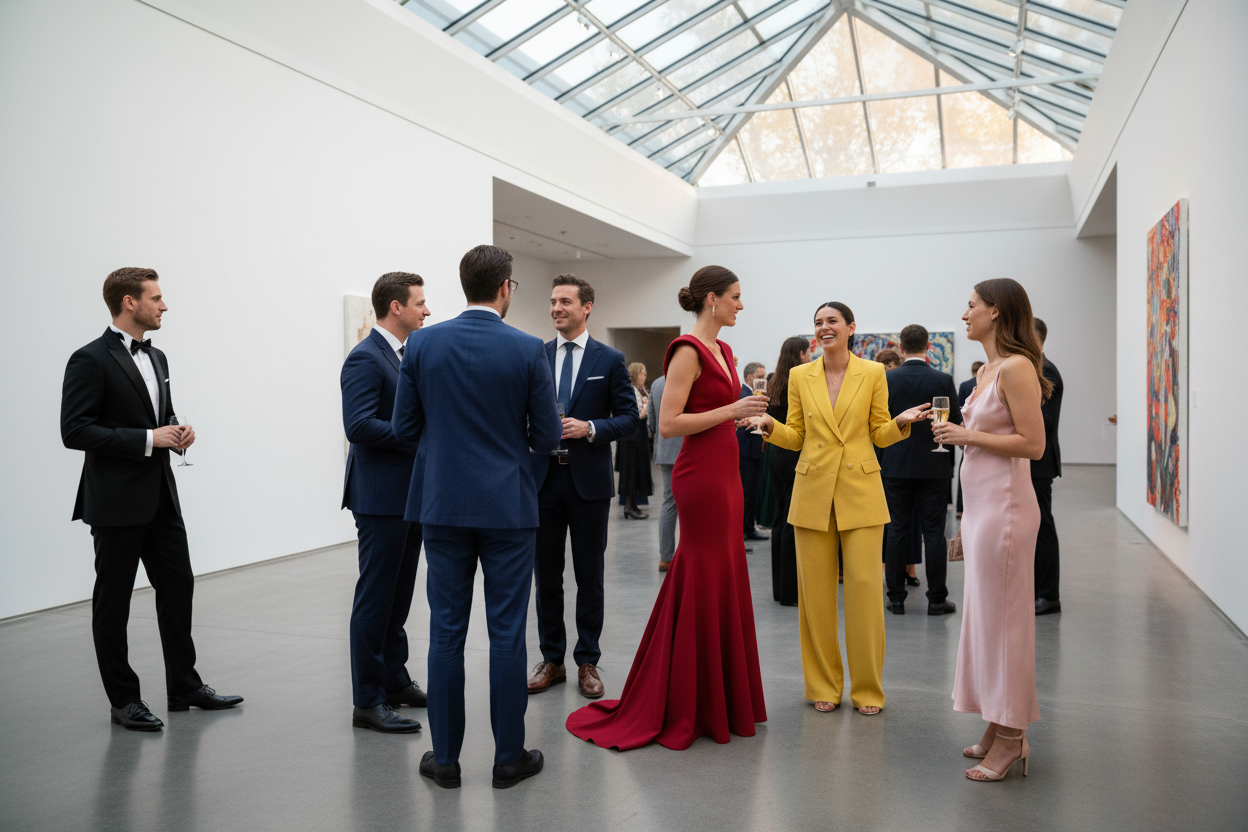
Social settings offer more freedom, yet color impact remains significant. Bright or unexpected hues may draw attention and spark conversation, while muted combinations can suggest refinement or restraint. People often select colors instinctively, guided by mood or occasion, but these choices still influence how others respond to them.
Cultural context also affects color perception. A shade considered celebratory in one region may carry a different meaning elsewhere. Global exposure through travel and digital media has increased awareness of these variations, encouraging more thoughtful color decisions. Fashion today reflects this blending of interpretations, allowing individuals to experiment beyond traditional boundaries.
Seasonal changes naturally influence color preferences as well. Warmer months often inspire lighter palettes, while cooler seasons invite deeper tones. These shifts align with environmental cues and shared expectations, reinforcing the connection between clothing and surroundings. Still, breaking seasonal conventions has become increasingly common as personal expression takes priority.
Color coordination within an outfit contributes to visual harmony. Understanding how shades interact can elevate even simple clothing combinations. Monochromatic looks create cohesion, while contrasting colors introduce visual interest. These techniques help maximize outfit potential without relying on excessive elements.
Ultimately, color choices in clothing act as a silent language. They express mood, intention, and awareness of context. By becoming more conscious of how colors influence perception, individuals can use clothing as a subtle yet effective form of communication, shaping first impressions with clarity and purpose.