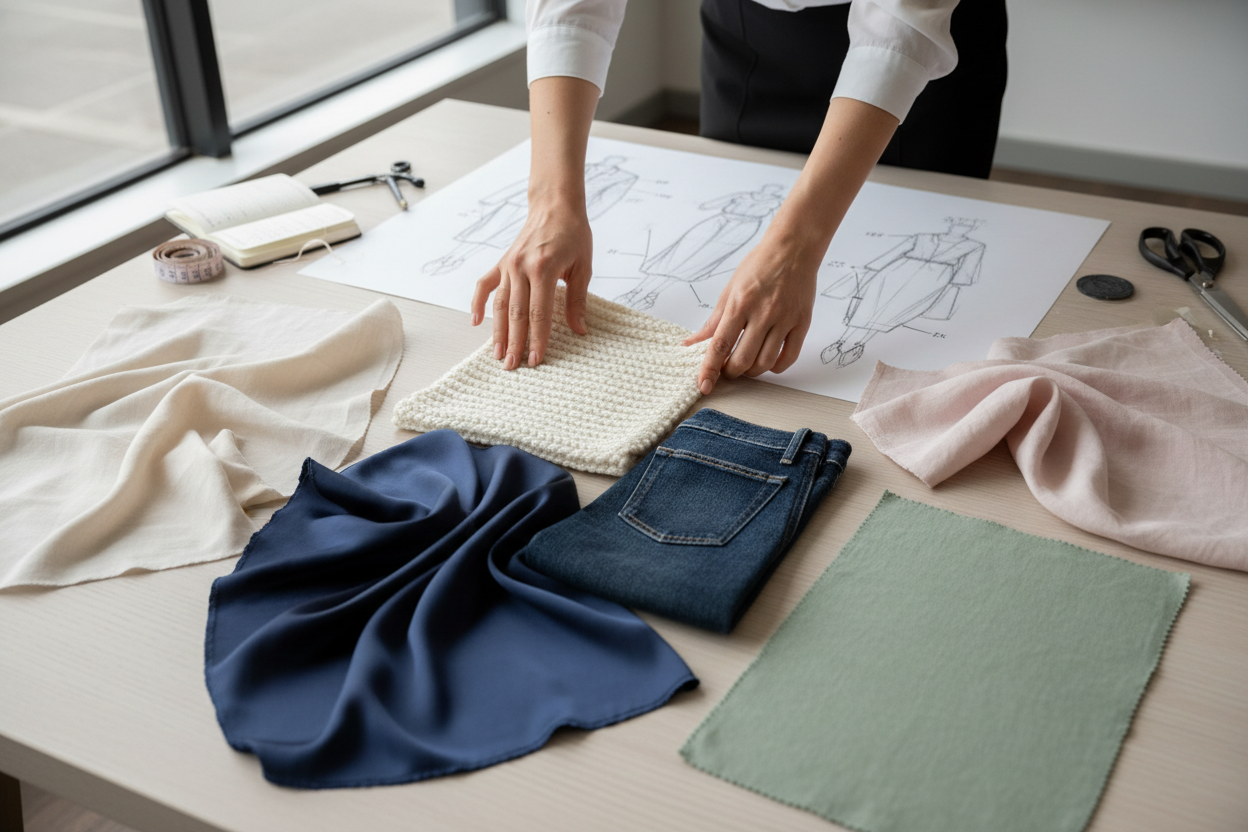
The Role of Fabric Selection in Everyday Apparel Design
Fabric selection is one of the most important yet often overlooked aspects of clothing design. While silhouettes and colors usually capture attention first, the materials behind the scenes determine how garments perform in daily life. Exploring the role of fabric selection offers a deeper understanding of why certain clothing works better in specific situations.
Designers consider several factors when choosing fabrics, including climate, function, and intended use. A material suitable for warm weather may not perform well in colder conditions, and vice versa. These decisions shape how clothing interacts with the body and the environment, influencing how often items are worn.
Texture also plays a significant role in visual appeal. Matte, glossy, textured, or structured surfaces each create different impressions. Texture can add depth to an outfit even when colors remain simple. This makes fabric choice an essential storytelling tool within apparel design.
Another consideration is how a fabric behaves over time. Some materials hold their shape, while others change with repeated wear or washing. Designers often anticipate these changes, selecting fabrics that align with the garment’s intended lifespan and usage pattern. This foresight contributes to the overall practicality of the piece.
Fabric selection also affects styling versatility. Certain materials adapt well to layering, while others stand out as statement elements. Understanding these characteristics helps consumers mix and match clothing more effectively, creating outfits that suit different environments and occasions.
Technological advancements have expanded fabric options in recent years. Blended materials and innovative weaves have introduced new possibilities for everyday apparel. These developments allow designers to experiment with form and function, resulting in clothing that meets evolving lifestyle needs.
Cultural and ethical considerations increasingly influence fabric choices as well. Awareness of sourcing, production methods, and environmental impact has grown among both designers and consumers. This shift encourages more transparency and thoughtful decision-making throughout the apparel industry.
Ultimately, fabric selection shapes the relationship between clothing and daily routines. It determines how garments adapt to different conditions and how they are experienced over time. By understanding the importance of materials, individuals can make more informed choices and appreciate the design thinking behind everyday apparel.